Website preview · Ages In Stages Childcare - Des Moines
Previewing at
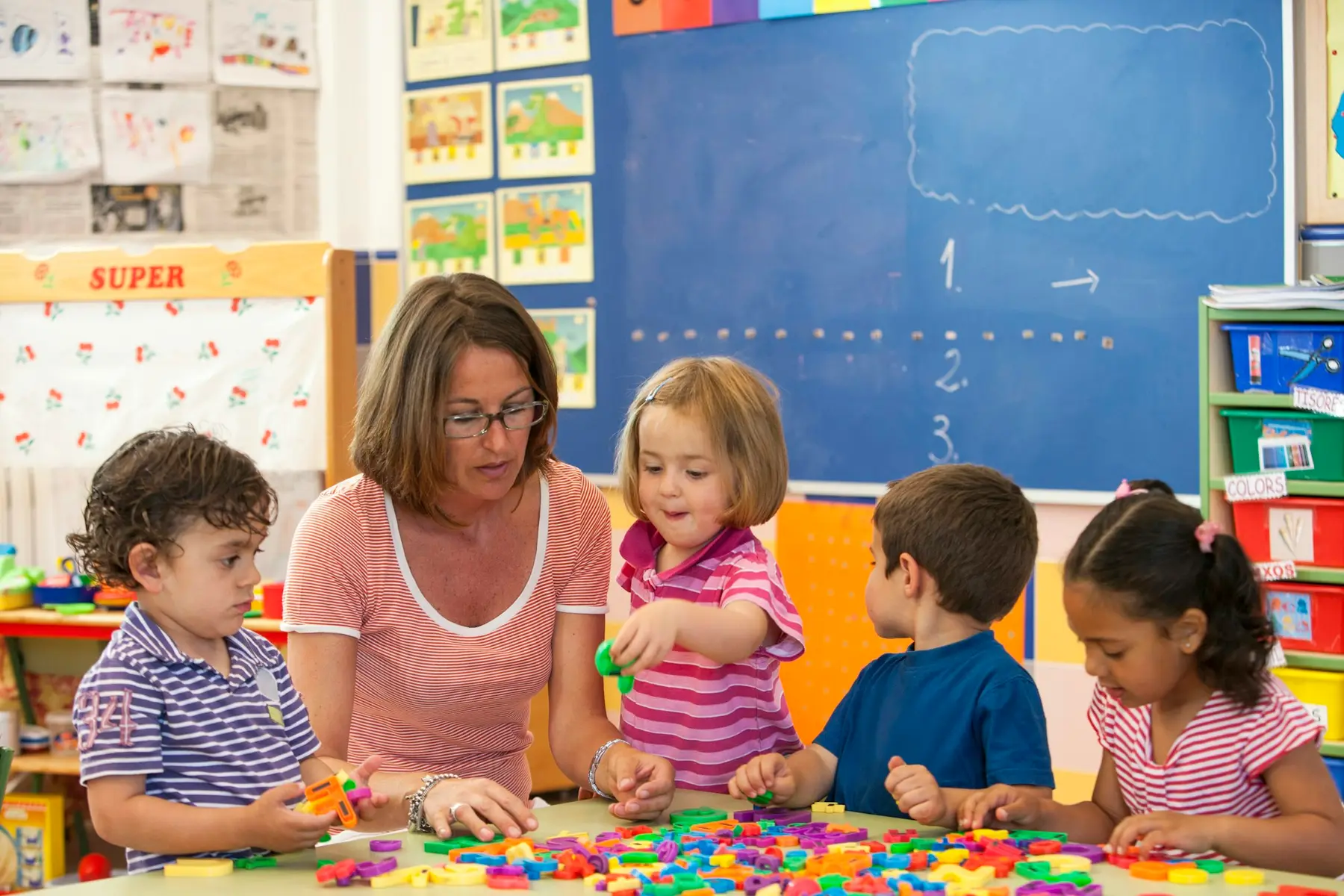
A woman sits at a table with four young children who are playing with colorful interlocking blocks in front of a blue chalkboard.

5 Areas Of Learning And Development In C.

A look at what children learn in early childhood, from early literacy to daily independence.

Plan a visit

5 Areas Of Learning And Development In C

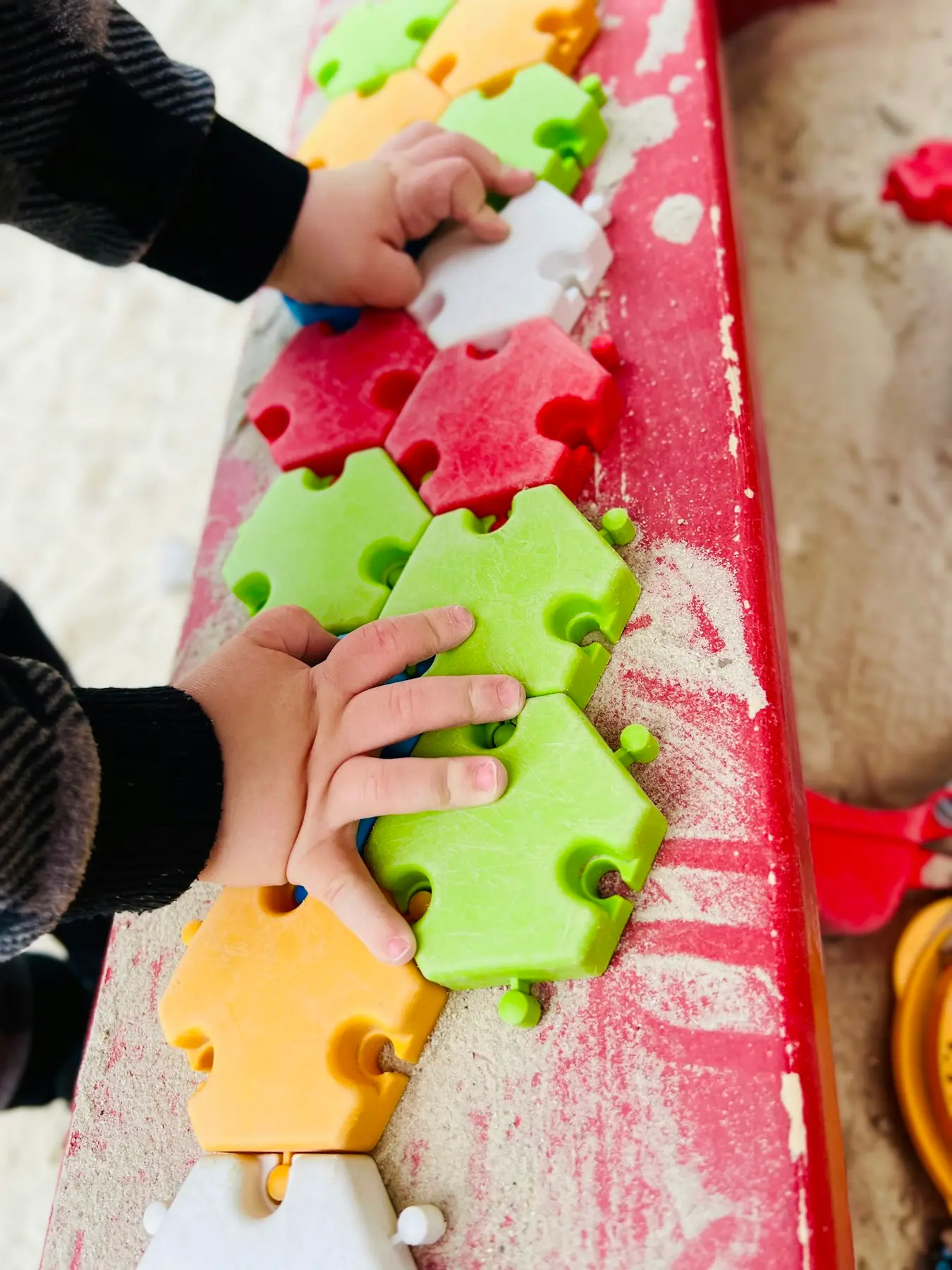
A child wearing a black long-sleeved shirt uses both hands to connect colorful interlocking foam puzzle tiles on a red surface covered with scattered sand.
01

5 Areas of Learning and Development in Child Care

Daycare is often a child's first step into education. If this is your first experience with pre-K, you may be unsure what a three-, four-, or five-year-old should learn. Most programs cover basic academic content. Curricula vary by school, but children build skills through play, routines, and guided activities. You can ask your child's teacher what they focus on each week.
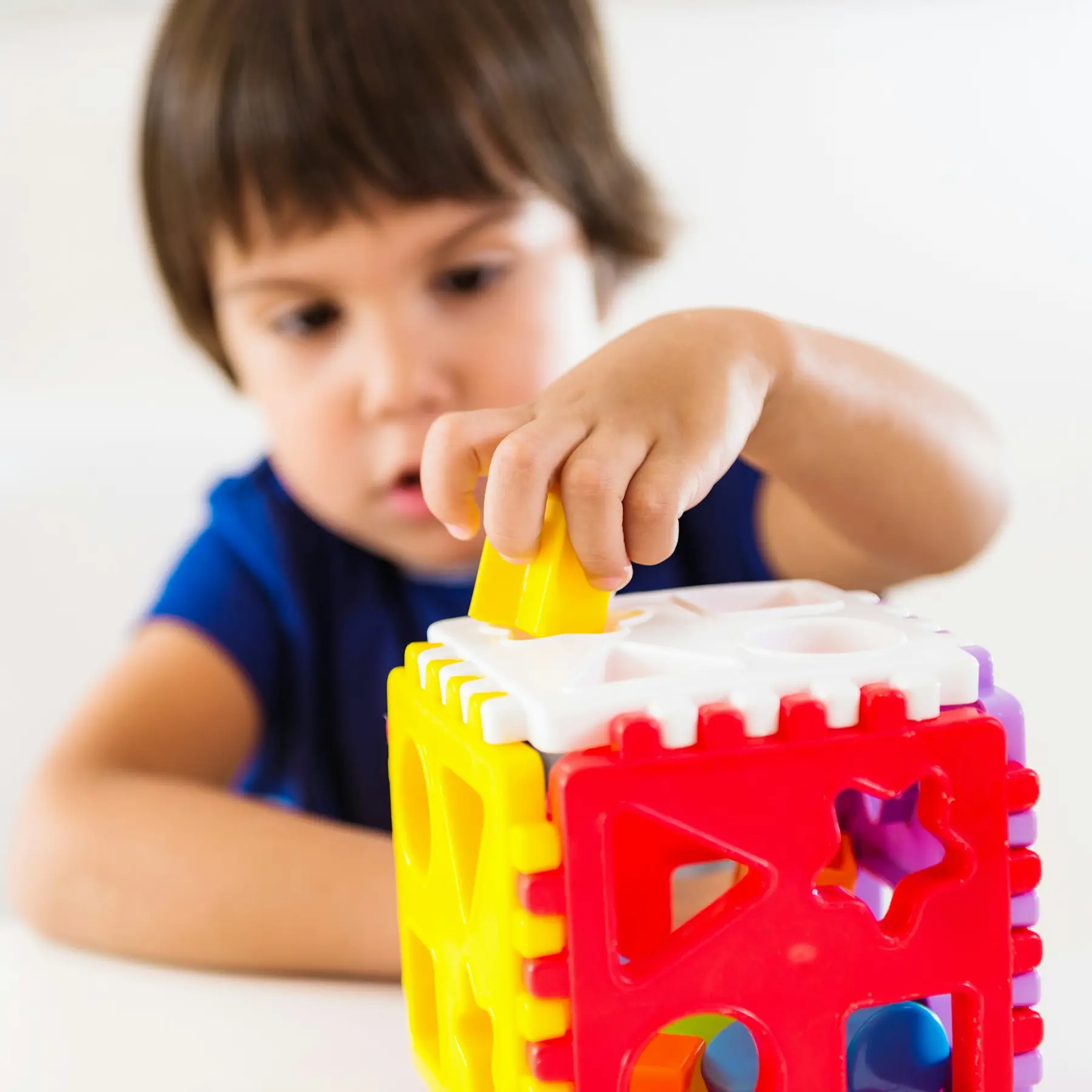

A young child in a blue shirt places a yellow shape into a colorful plastic shape sorter toy on a white surface.
02

1. Academic Areas

Kindergarten and first grade focus on academics, but learning starts earlier. Preschool introduces literacy, language, math, science, and social studies. Early literacy includes reading, writing, and communication. Math covers number identification, counting, basic equations, geometry, and measurement. Science touches on biology, chemistry, physics, and earth sciences. Social studies rounds out the traditional subjects. Your child may color a chart of the weather or count blocks.

A young girl in a light blue button-up shirt rests her chin on her hand while smiling and looking down at an open book.
03

2. Social Areas

Preschool is often where children make their first friends. They meet and play with other three- to five-year-olds. Through that play, they practice sharing, taking turns, listening, and communicating. They also learn to respect other people. You might hear your child say a friend's name at dinner or offer to hand you a toy.

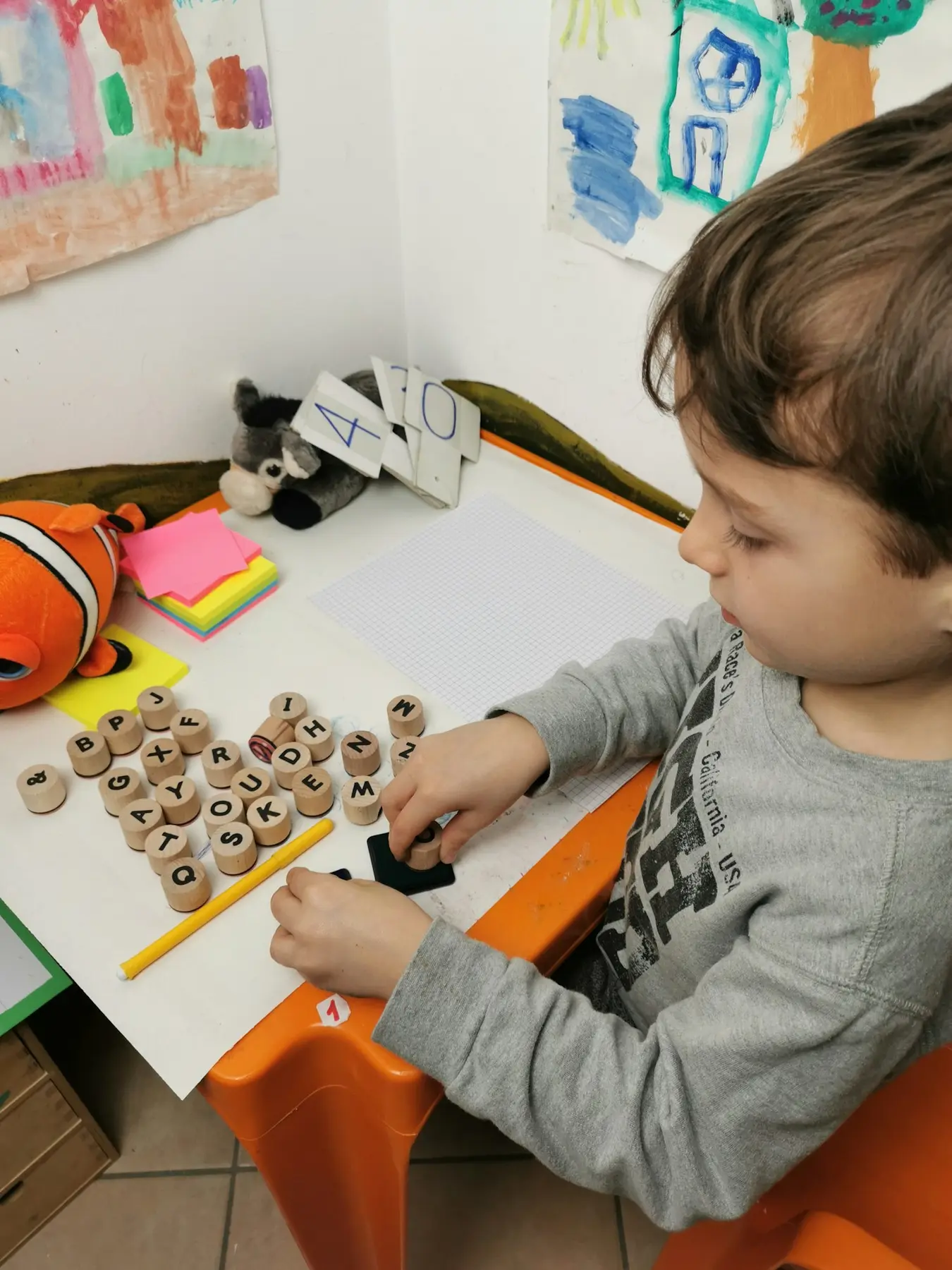
Preschool boy plays with letters.
04

3. Self-Care Areas

As children grow, they want more independence. That drive builds self-care skills. Your child may already feed themselves or use the restroom alone at home. Preschool continues that work. Self-care can include dressing, such as putting on or taking off a coat, shoes, and outdoor items. Children also learn to keep track of a backpack or jacket, wash hands, and handle other hygiene tasks.

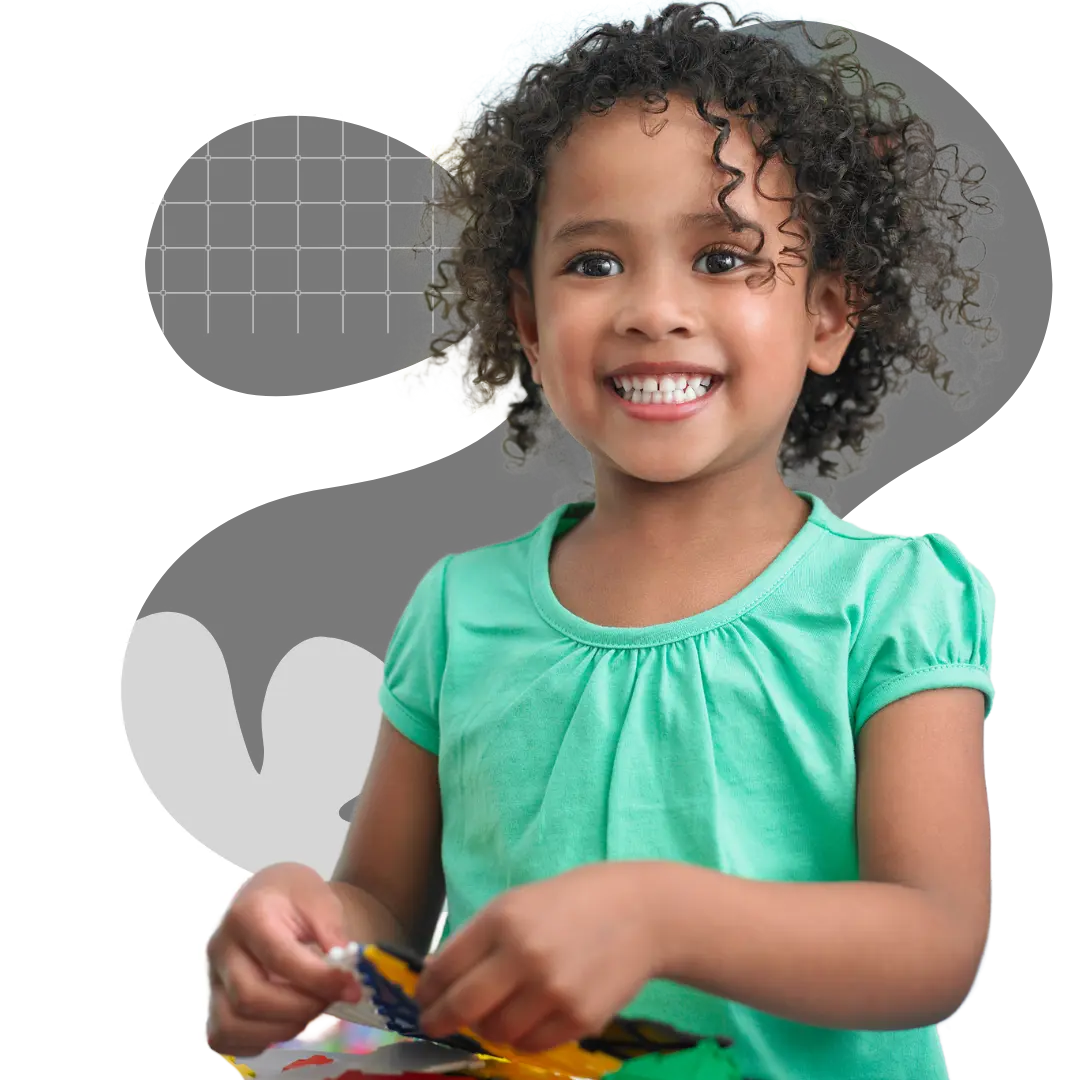
A smiling girl with curly hair wearing a green shirt holds and manipulates colorful craft materials.
05

4. Problem-Solving Areas

Problem-solving happens beyond math lessons. Children build critical thinking that helps with academic and real-world problems. Daycare activities that develop these skills include hands-on explorations and experiences. Building a block tower teaches balance and planning. Mixing tempera paint colors in the art area shows cause and effect. Your child solves problems throughout the day, not just at a table.

Two young girls lie on a carpeted floor, smiling at the camera with a blurred coloring page and crayons in the foreground and shelves behind them.
01

5. Creative Areas

Creative areas go past painting and drawing. Look for visual arts, drama with dress-up and acting out stories, dance and creative movement, and music with singing or instruments. Process matters more than product. Open-ended activities let a child explore and experiment. Drawing builds fine motor skills; dance builds large muscles. Some programs teach art on its own, others weave it into science or math.

What this looks like in practice

In a preschool room, children meet basic academic content through play and routine. They practice early literacy, counting and shapes, simple science, and social studies. They make first friends and work on sharing, taking turns, listening, and respect. Ask the director at your tour how each area shows up in the daily schedule.

The payoff shows at home. Your child starts naming letters, counting steps, and asking questions about how things work. They may share a toy without a reminder or tell you about a friend. Small moments like these build the independence and curiosity that carry into kindergarten.

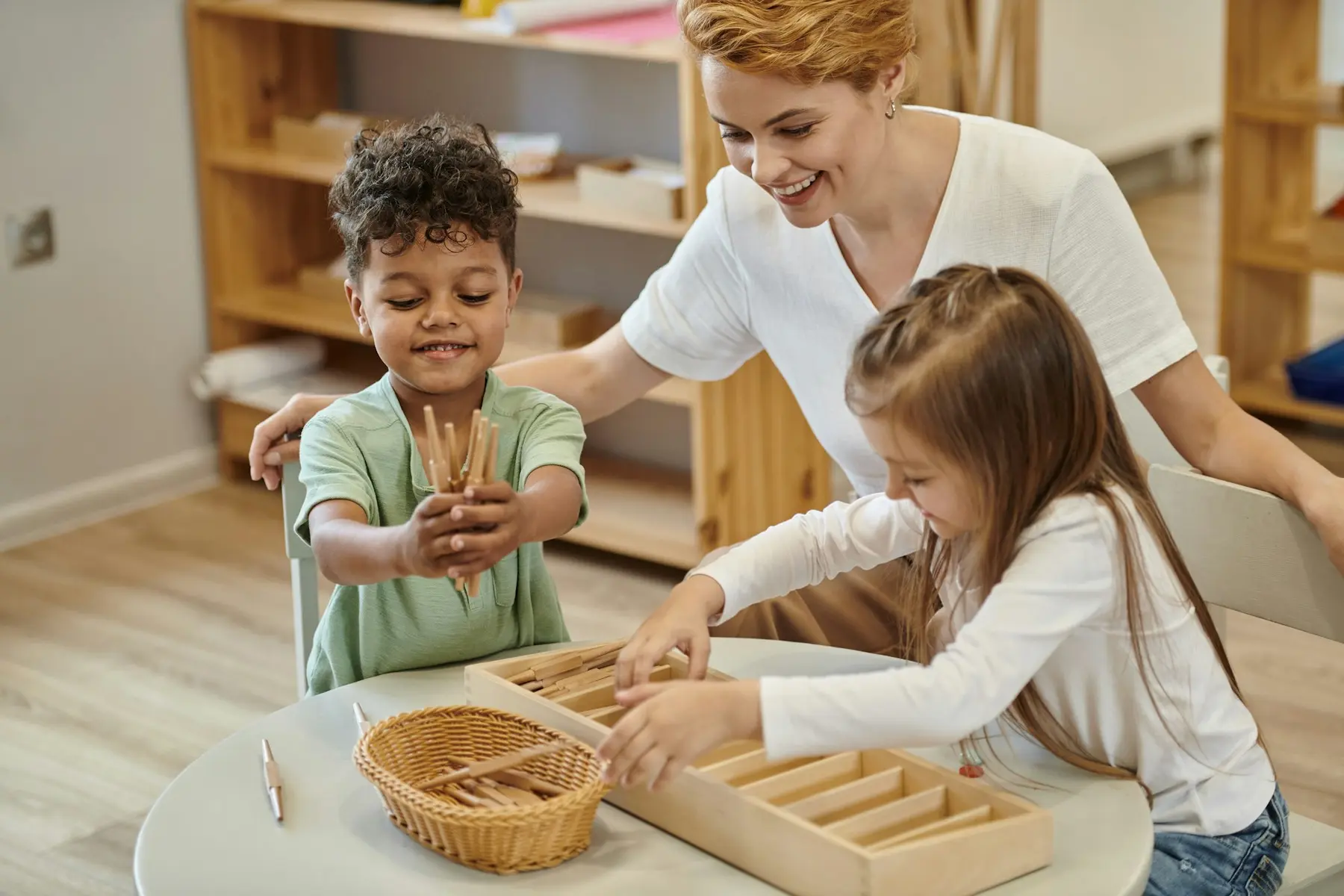
positive multiethnic kids playing with wooden didactic materials near teacher in montessori school

Questions? Ask us

Request a visit
AI
Hi! I'm Ages
How can I help you today?
AI
Ages In Stages Childcare - Des Moines Assistant
Ask about tours, programs, and enrollment.
Hi! I can help with Ages In Stages Childcare - Des Moines questions.
Powered by EnrollIQ